
Shirt and Printing: The Complete Guide to Custom T-Shirts for Australian Businesses and Schools
Discover how to choose the right shirt and printing method for your business, school, or event. Expert tips on decoration, MOQs, and budgeting.

Written by
Ashton Nguyen
Custom Apparel
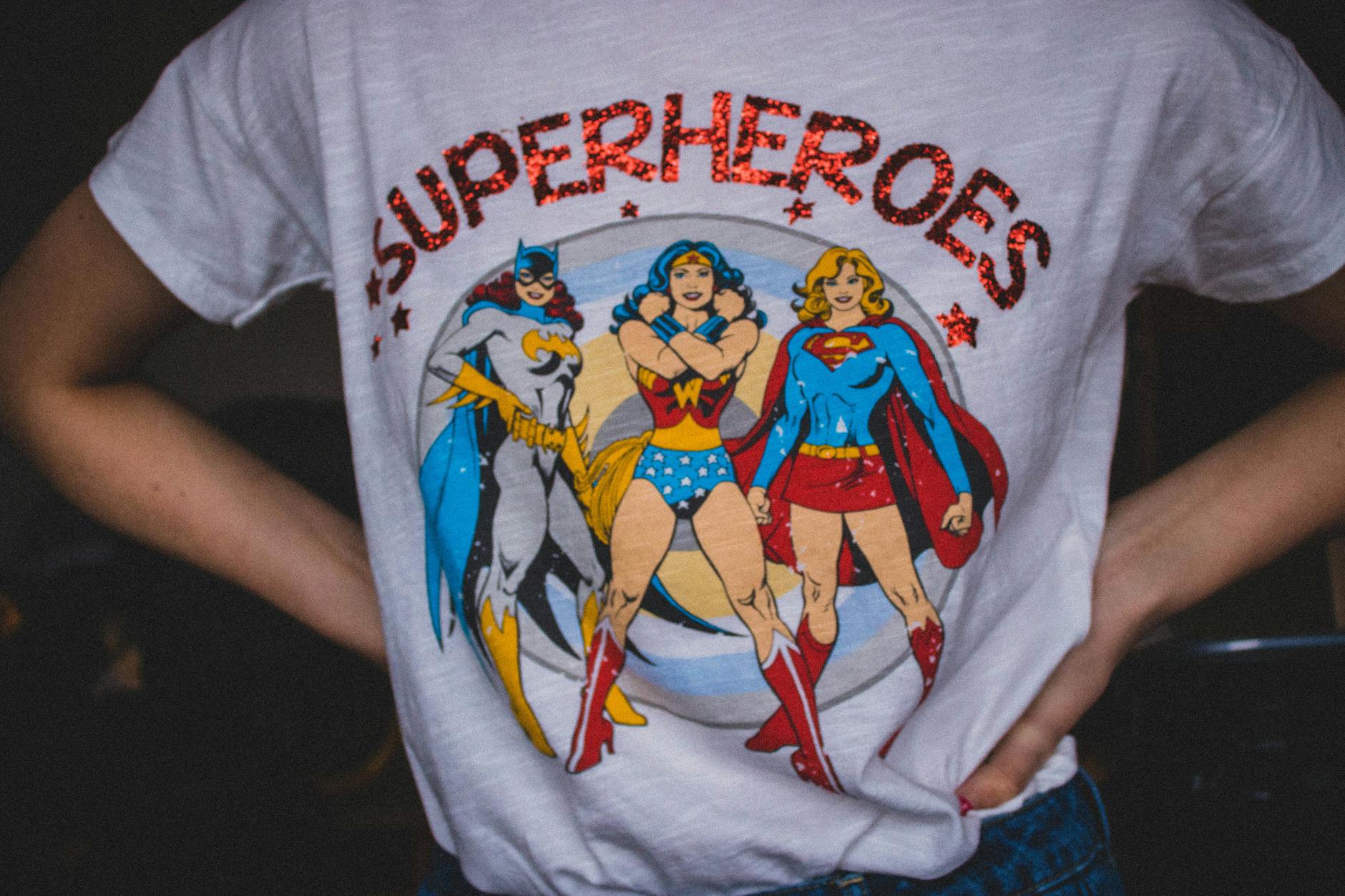
Getting custom shirts printed sounds straightforward — pick a design, choose a colour, and place an order. But anyone who has managed a branded apparel project for their business, school, or upcoming event knows there’s a lot more to it than that. The right combination of shirt and printing method can mean the difference between merchandise that gets worn proudly for years and items that end up at the back of a drawer. Whether you’re a Sydney marketing manager organising uniforms for a product launch, a Melbourne primary school co-ordinator planning sports carnival tees, or a Brisbane charity getting ready for a fundraising run, this guide will walk you through everything you need to know to get a great result.
Why Shirt and Printing Decisions Matter More Than You Think
Custom t-shirts remain one of the most popular and versatile forms of branded merchandise in Australia — and for good reason. They’re wearable billboards that carry your message out into the community every single time someone puts one on. But the quality of the finished product depends heavily on two factors working in harmony: the shirt itself and the printing method applied to it.
Choosing a cheap, low-weight singlet fabric and pairing it with a complex full-colour design using the wrong print technique is a recipe for disappointment. Equally, over-investing in a premium heavyweight garment for a one-off fun run where you only need 50 pieces can blow your budget unnecessarily. Understanding how these two elements interact is the foundation of every successful custom apparel project.
It’s also worth noting that custom shirts sit within a broader merchandise strategy. Many organisations pair them with quality promotional products for business to create a cohesive brand presence across multiple touchpoints.
Understanding Your Shirt Options
Before you even think about printing, you need to choose the right garment. The shirt you select will directly influence which decoration methods are available to you, how the finished artwork looks, and how long the print will last.
Fabric Weight and Composition
T-shirt fabric is measured in grams per square metre (GSM). A standard promotional t-shirt typically falls in the 150–180 GSM range — lightweight, affordable, and fine for one-off events. Mid-weight garments (180–200 GSM) offer better structure and drape, making them more suitable for corporate uniforms or merchandise that will see regular wear. Heavyweight tees (220 GSM and above) feel premium and substantial, ideal for retail-quality branded merch or staff uniforms in environments where durability matters.
Cotton is the classic choice for printability, particularly for screen printing and DTG (direct-to-garment) methods. Polyester blends work well for sublimation printing, which we’ll cover shortly. Tri-blends (cotton/polyester/rayon) are popular for a vintage, soft-feel finish but can be slightly trickier to print on cleanly.
Fit and Sizing
Australian workplaces and schools have become increasingly aware of inclusive sizing in their merchandise orders. A unisex tee in standard sizing may not suit everyone. Consider whether your order needs a mix of classic fit, slim fit, or women’s cut styles. Most quality garment suppliers offer size runs from XS through to 5XL, and it’s always worth ordering a sample set to check sizing before committing to a full production run.
Colour Considerations
Dark-coloured shirts require additional attention when it comes to printing. Lighter inks need an underbase layer to show up correctly on black or navy fabric, which adds to both cost and print time. White and light-coloured shirts offer the widest range of printing options and are generally the most cost-effective base for complex artwork.
The Main Shirt Printing Methods Explained
Now for the part most people find confusing — choosing between the different decoration methods available. Each has its strengths and limitations, and the right choice depends on your design, quantity, fabric type, and budget.
Screen Printing
Screen printing is the industry workhorse and remains the most popular method for bulk custom t-shirts in Australia. It involves pushing ink through a mesh screen onto the garment and produces vibrant, durable prints that withstand repeated washing. It’s ideally suited to simple designs with one to six solid colours and becomes very cost-effective at quantities of 50 pieces or more.
Setup fees for screen printing typically cover the cost of creating individual screens for each colour in your design. That’s why this method rewards volume — the per-unit cost drops significantly as you increase quantities. A school in Adelaide ordering 200 house colour shirts for athletics day will find screen printing extremely cost-competitive, whereas a run of just 10 pieces with a four-colour design might not justify the setup costs.
Direct-to-Garment (DTG) Printing
DTG printing works similarly to a desktop inkjet printer, applying water-based inks directly onto the fabric. It excels at reproducing photographic images, gradients, and complex full-colour artwork with no setup fees — making it perfect for small runs. However, it generally performs best on 100% cotton garments and may produce slightly less vibrant results on coloured fabrics compared to screen printing.
For businesses or schools needing 10–30 shirts with a highly detailed or photographic logo, DTG is often the smartest option.
Sublimation Printing
Sublimation is a game-changer for all-over print designs. The process uses heat to bond dye into polyester fibres, resulting in prints that are essentially part of the fabric — they won’t crack, fade, or peel. The trade-off is that sublimation only works on white or light-coloured polyester garments. It’s hugely popular for sportswear, team uniforms, and event merchandise where bold, edge-to-edge designs are desired. You can read more about how this works in our guide to sublimation shirts in Australia.
Heat Transfer
Heat transfer involves applying a pre-printed design onto the garment using heat and pressure. It’s a flexible option for smaller quantities and works across various fabric types. Modern vinyl heat transfers and DTF (direct-to-film) transfers have improved significantly and can produce excellent results for names, numbers, and logos. The durability may not match screen printing for high-frequency wash items, but it’s a solid choice for event merch, one-off branded shirts, or adding personalisation to pre-made garments.
Embroidery
While not technically “printing,” embroidery deserves mention as it’s frequently requested alongside shirt decoration. It’s the preferred method for polo shirts, corporate uniforms, and workwear where a polished, professional look is required. Embroidered logos are durable, premium-looking, and particularly well-suited to chest left breast placement on business polos and corporate shirts.
Practical Tips for Ordering Custom Printed Shirts
Getting from concept to finished product involves more than just choosing a print method. Here’s how to keep your project on track and within budget.
Plan Your Artwork Early
Artwork is almost always the source of delays in custom apparel projects. Supply your logo and design files in vector format (AI, EPS, or PDF) wherever possible — this ensures your artwork can be scaled without quality loss. Raster images (JPG, PNG) can work but need to be high resolution (at least 300 DPI at print size). If you’re unsure, a good supplier will offer artwork review as part of the setup process.
Understand MOQs and Bulk Pricing
Minimum order quantities vary between suppliers and decoration methods. Screen printing typically has MOQs of 20–50 pieces per design, while DTG and heat transfer can accommodate much smaller runs — sometimes as few as one piece. Bulk pricing tiers usually kick in at quantities of 50, 100, 250, and 500 units, with per-unit costs dropping noticeably at each tier.
If you’re ordering for a corporate event or school program alongside other merchandise items like branded pens and notebooks for conferences or reusable shopping bags, it can be worth consolidating your order with a single supplier to reduce freight and setup costs.
Allow Realistic Turnaround Times
Standard turnaround for screen-printed shirts in Australia is typically 10–15 business days from artwork approval. Rush services are available from many suppliers but attract additional fees. If you’re ordering for a specific event date — a Perth trade show, a Hobart school fundraiser, a Gold Coast corporate day — build in buffer time and confirm your required delivery date upfront.
Request Samples and Proofs
Always request a digital proof before approving production, and consider ordering a physical sample of the blank garment to check sizing and fabric quality before committing to your full run. This is especially important for larger orders where a small error can be very costly to rectify.
Think About the Full Merchandise Mix
Shirts rarely stand alone as the only branded item at an event or in a marketing campaign. Many organisations build out a complete merchandise kit that might include items like USB promotional products, branded water bottles, or custom stress balls to create a well-rounded brand experience. For inspiration on how to make unboxing part of the experience, check out current trends in promotional product unboxing.
Applications Across Different Sectors
Custom printed shirts serve virtually every sector in Australia. Sporting clubs across the country — from suburban football teams in Canberra to surf lifesaving clubs in Queensland — rely on custom tees and jerseys for team identity. Our guide to promotional products for sporting events covers this in more detail.
In the corporate world, branded shirts are a staple of trade show booths, onboarding kits, and team events. Schools use them for everything from sports carnivals to excursions to school-branded casual day fundraisers. Government departments and councils often incorporate printed shirts into workplace safety and recognition programs — a topic explored further in our resource on workplace safety milestone branded recognition items.
Charities and not-for-profits in particular find custom t-shirts to be one of the most cost-effective promotional tools available, especially when sourced through affordable promotional merchandise options.
If you’re in the early stages of planning your project and need help understanding the landscape, our overview of what to look for in a promotional products supplier is a useful starting point.
Conclusion: Key Takeaways for Getting Shirt and Printing Right
Navigating the world of custom shirt printing doesn’t need to be overwhelming. With a clear understanding of your garment options, decoration methods, and practical ordering requirements, you can consistently deliver high-quality, well-branded apparel that serves your organisation’s goals — whether that’s team identity, brand awareness, event engagement, or staff recognition.
Here are the key points to remember:
- Match your print method to your design and quantity — screen printing rewards volume, DTG suits small runs and complex artwork, sublimation is ideal for all-over polyester designs
- Invest in the right garment for the purpose — a heavier, quality shirt worn regularly is often better value than a cheap tee that pills after five washes
- Prepare your artwork early and always in vector format to avoid delays and quality issues
- Build in realistic lead times — 10–15 business days is standard, and rush fees add up quickly
- Consider the full merchandise mix — pairing custom shirts with complementary branded items creates a stronger, more memorable brand experience
Getting your shirt and printing combination right is one of the most impactful investments an organisation can make in its brand presence. Take the time to plan well, and the results will speak for themselves every time someone wears your logo out into the world.