
How to Order Customized Tee Shirts for Your Business, School or Event
Learn how to order customized tee shirts in Australia — from choosing decoration methods to budgeting, MOQs, and finding the right fit for your organisation.

Written by
Ashton Nguyen
Custom Apparel
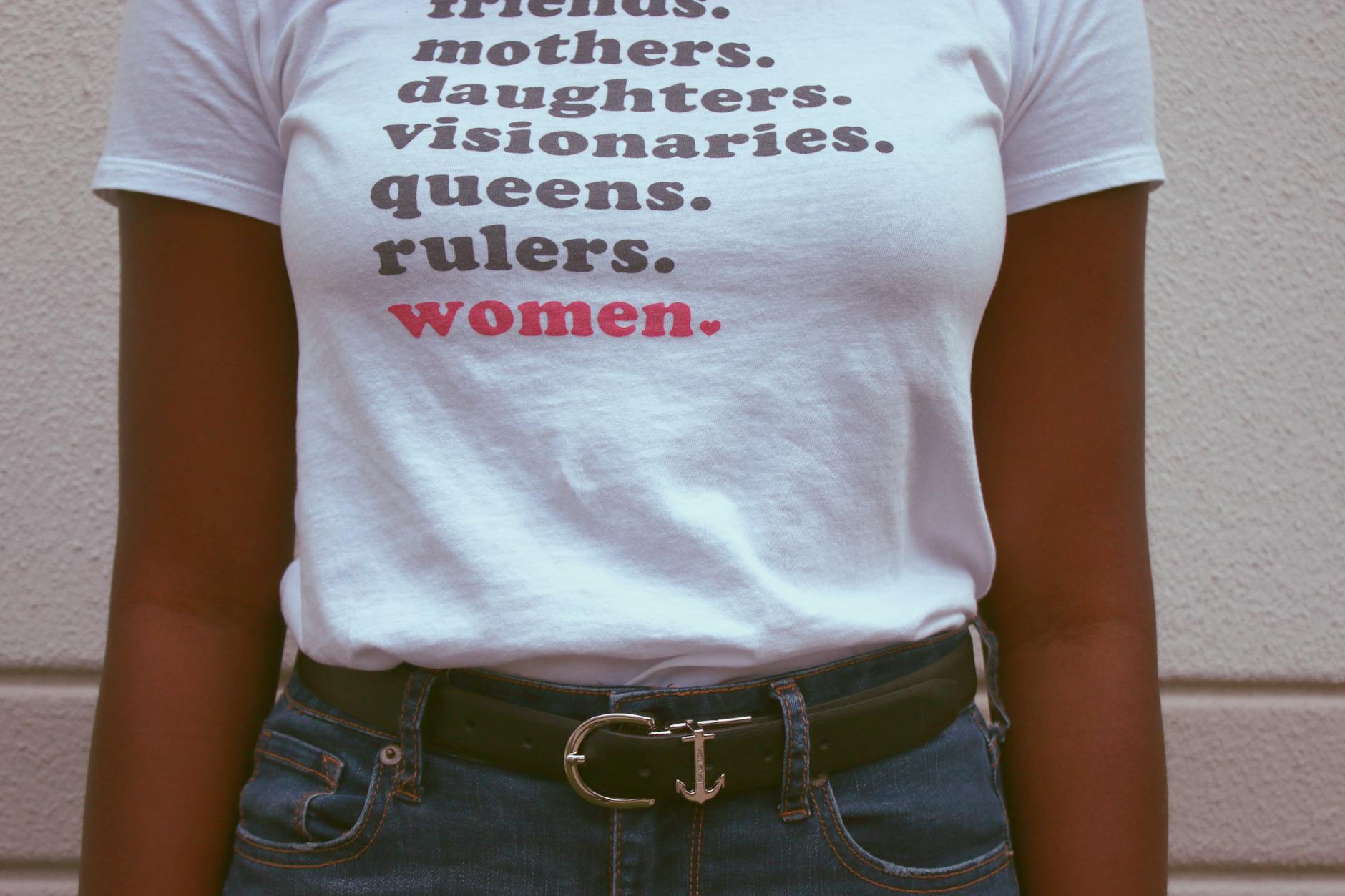
Few promotional items have stood the test of time quite like the humble tee shirt. Whether it’s a Sydney tech startup kitting out their team for a product launch, a Brisbane primary school gearing up for sports carnival day, or a Melbourne conference organiser looking for memorable delegate gifts, customized tee shirts remain one of the most versatile, cost-effective, and high-impact items in the promotional products world. But ordering custom tees involves more decisions than most people expect — and getting those decisions right is the difference between a batch of shirts that people actually wear and a pile of boxes collecting dust in the storeroom. This guide walks you through everything you need to know.
Why Customized Tee Shirts Still Dominate Corporate and School Merch
There’s a reason custom tees have remained a staple across every industry, school sector, and event type in Australia. The logic is simple: almost everyone wears t-shirts, almost every day. A well-designed custom tee becomes a walking advertisement, a team identifier, or a cherished event keepsake — often all three at once.
For businesses, branded tees build team cohesion, create a professional appearance at trade shows and expos, and extend brand visibility far beyond the office. For schools, they unite students around a shared identity, whether that’s a house colour, a school motto, or a specific event. For corporate events and conferences, a quality tee shirt is the kind of delegate gift that actually gets used, which is more than you can say for a lot of promotional merchandise for business.
The other appeal is economics. Tee shirts are priced attractively at volume, and almost every supplier offers meaningful bulk pricing tiers. Order 50 shirts and you’ll pay a reasonable unit price. Order 300 and that price drops considerably — which is why customized tee shirts are often the first choice for large-scale events, school orders, and corporate team-building activities.
Choosing the Right Decoration Method for Your Custom Tees
This is where a lot of first-time buyers get caught out. The phrase “customized tee shirts” covers a wide range of decoration techniques, and the right choice depends on your design, your budget, your fabric, and how the shirts will be used. Getting this wrong can result in a finish that fades quickly, looks unprofessional, or simply doesn’t suit the artwork.
Screen Printing
Screen printing is the most common decoration method for bulk custom tee shirts in Australia, and for good reason. It produces vivid, durable results at a competitive cost per unit — especially once you’re ordering above 50 pieces. Each colour in your design requires a separate screen, so this method suits designs with limited colours (one to four is ideal). For a detailed comparison of how screen printing stacks up against other methods, take a look at our guide to shirt decoration and printing techniques.
Heat Transfer and Vinyl
Heat transfer is ideal for smaller runs or highly detailed, multi-coloured designs that would be too expensive to screen print. It’s popular for school sports carnivals where each class or house needs a small quantity in a specific colour. Turnaround times tend to be faster, and there’s no minimum order quantity concern — you can often order as few as one or two shirts. The trade-off is durability; heat transfer prints can crack or peel over time if not cared for properly.
Sublimation Printing
Sublimation produces stunning full-colour, all-over prints that are baked into the fabric rather than sitting on top. The result is incredibly detailed and durable, with no cracking or peeling. The catch: sublimation only works on polyester or poly-blend fabrics, and the entire shirt must be white or light-coloured. It’s the go-to method for sportswear, cycling jerseys, and uniforms where bold, all-over design is the goal. For more detail on this process, our guide to sublimation shirts in Australia covers everything from fabric selection to file requirements.
Embroidery
Embroidery isn’t the first thing most people think of for tee shirts, but on polo-style tees or heavier cotton garments, it adds a premium, professional feel. It’s particularly popular for corporate team uniforms, hospitality staff, and any context where the brand needs to communicate quality. Embroidery has a setup fee for digitising the logo, but that cost amortises well across large orders.
Understanding MOQs, Turnaround Times, and Setup Fees
Before you submit your order, there are three practical factors to understand clearly.
Minimum Order Quantities (MOQs): Screen printing suppliers typically require a minimum of 12–25 shirts per colour/design combination. Some specialise in short runs (6–10 pieces), but the unit price will be higher. If you’re ordering for a large event or school, you’re unlikely to run into MOQ issues — but for a small business ordering team shirts for five staff members, it’s worth confirming upfront.
Turnaround Times: Standard production for customized tee shirts in Australia is typically 10–15 business days from artwork approval. Rush orders are often available (sometimes 3–5 business days) but carry a premium. If you’re ordering for a fixed event date — a Gold Coast conference, a Darwin school athletics day, a Perth trade show — build in at least three to four weeks to allow for proof approval, production, and shipping.
Setup Fees: Most decoration methods involve a one-off setup fee per colour or per design element. Screen printing charges per screen (i.e. per colour). Embroidery charges for digitising. Heat transfer may charge per design file. These fees are typically waived or reduced on repeat orders. Always ask your supplier to quote the total landed cost, including setup, so there are no surprises on the invoice.
Selecting the Right Garment for Your Needs
The decoration method is only half the equation. The garment itself matters enormously for comfort, longevity, and how well the print looks. Key considerations include:
- Fabric weight: 160–180gsm is standard for everyday promotional tees. Heavier weights (200gsm+) feel more premium and are better suited to embroidery or long-term uniform use.
- Cotton vs poly-blend: 100% cotton is breathable and comfortable but can shrink. Poly-cotton blends hold their shape better and are more durable for workwear or sports use.
- Fit: Classic/boxy cuts suit workwear and school use. Semi-fitted or contemporary cuts are more popular for corporate and lifestyle branding.
- Sustainability: If your organisation has green commitments, look for GOTS-certified organic cotton or recycled fabric options. These pair well with other eco-friendly reusable merchandise in a sustainability-themed campaign.
Artwork and Design Tips for the Best Results
No matter how good your supplier is, a poor artwork file will produce a poor result. Here are the essentials:
- Provide vector files (AI, EPS, or SVG) wherever possible. Raster images (JPEG, PNG) need to be high-resolution — at least 300dpi at print size.
- Use PMS (Pantone Matching System) colour codes if colour accuracy matters. This is especially important for logos with specific brand colours.
- Confirm placement with your supplier. Common options include front chest (left or centre), full front, back, and sleeve. Each has different sizing conventions.
- Always approve a printed or digital proof before production begins. It’s much easier to fix a problem at the proof stage than after 200 shirts have been printed.
If you’re new to the artwork process, your supplier should be able to provide a free pre-production proof. Don’t skip this step.
Budgeting for Customized Tee Shirts
Budgets vary widely depending on garment quality, decoration method, and quantity. As a general guide for Australian buyers in 2026:
- Basic promotional tees with one-colour screen print (100+ units): $8–$15 per unit
- Mid-range cotton tees with two-colour print (50–100 units): $12–$22 per unit
- Premium tees with embroidery or sublimation (25–50 units): $20–$40+ per unit
These are rough ranges and will vary by supplier, garment brand, and complexity. If you’re combining tee shirts with other promotional items — say, branded notebooks and pens for a conference delegate pack — bundling orders with the same supplier often unlocks better pricing across the board.
For schools and not-for-profits, many suppliers offer discounted pricing for community and educational organisations. It’s always worth asking.
Popular Use Cases for Customized Tee Shirts in Australia
To bring this to life, here are some of the most common scenarios where Australian organisations are ordering custom tees:
- Sporting events: Club merchandise, volunteer shirts, and participant tees for fun runs, charity walks, and school carnivals. See our guide to promotional products for sporting events for complementary ideas.
- Corporate team building: Matching shirts for offsite days, team challenges, and company retreats create a genuine sense of unity.
- Trade shows and expos: Staff in branded tees are instantly identifiable on a busy show floor — pair with branded signage and banners for a cohesive stand presence.
- Employee onboarding packs: A quality branded tee in a well-presented welcome kit creates a strong first impression. Think about the full unboxing experience to maximise impact.
- Events and conferences: Custom tees as delegate gifts are far more likely to be kept and used than many alternatives. They complement USB drives and water bottles as part of a complete event pack.
- Workplace recognition: For safety milestones or service anniversaries, a quality custom tee can form part of a broader workplace recognition programme.
Working With a Reliable Promotional Products Supplier
Choosing the right supplier is just as important as choosing the right product. Look for a reputable promotional products supplier who can show you samples, provide a clear quote including all fees, give you a production timeline in writing, and communicate proactively throughout the process. Ask whether they keep stock of the garment styles you’re ordering (some source on demand, which can add to lead times), and confirm their returns or reprint policy in the event of a production error.
It’s also worth checking whether they handle the full decoration process in-house or outsource it. In-house decoration generally means faster turnaround and better quality control.
Conclusion: Key Takeaways for Ordering Customized Tee Shirts
Customized tee shirts are one of the smartest investments an Australian business, school, or organisation can make in branded merchandise — but only when ordered thoughtfully. Here’s a quick summary of what to keep in mind:
- Choose your decoration method based on your design, fabric, and budget — screen printing for bulk orders with simple designs, sublimation for full-colour sportswear, embroidery for premium corporate uniforms.
- Plan your timeline carefully — allow at least three to four weeks from brief to delivery, especially if your shirts are needed for a fixed event date.
- Always request a proof before production begins — this one step prevents the vast majority of ordering mistakes.
- Factor in all costs upfront — setup fees, freight, and GST should all be included in your quote so there are no surprises.
- Partner with a supplier who communicates clearly — the best custom tee orders happen when there’s a genuine working relationship between buyer and supplier, with transparency at every step.
Whether you’re ordering 20 shirts for a Canberra small business team day or 500 for an Adelaide university O-Week campaign, the fundamentals are the same. Get the brief right, choose the right product and print method, work with a supplier you trust, and your customized tee shirts will deliver genuine value — every time someone wears them.