
Custom Printed T-Shirts: Complete Branding Solution for Teams
Find out why custom printed t-shirts are Australia's most versatile and cost-effective option for corporate branding and team merchandise.

Written by
Ashton Nguyen
Custom Apparel
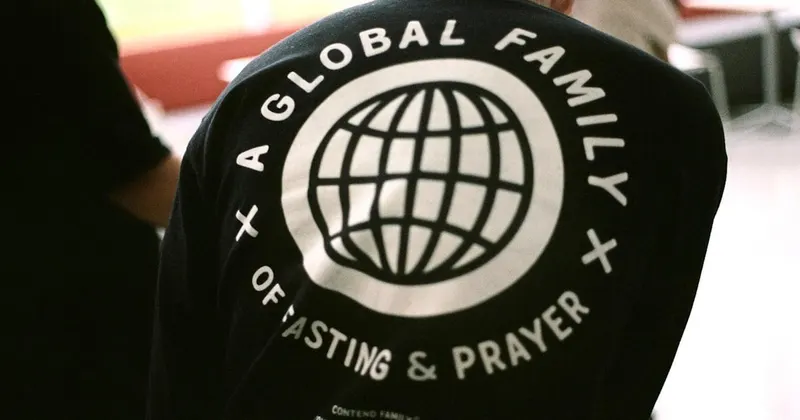
Custom printed t-shirts are one of the most versatile and cost-effective branded merchandise investments an Australian organisation can make. Whether you’re kitting out a team of 20 for a corporate fun run in Sydney, ordering school sports day shirts for 300 students in Brisbane, or creating staff uniforms for a new Adelaide café, a well-designed custom tee does more than just cover torsos — it builds identity, fosters unity, and puts your brand in front of new eyes every single time it’s worn. But with so many options across fabrics, decoration methods, suppliers, and price points, knowing where to start can feel overwhelming. This guide walks you through everything you need to know to order custom printed t-shirts confidently, from artwork preparation right through to delivery.
Why Custom Printed T-Shirts Remain Australia’s Favourite Branded Apparel
There’s a reason custom printed t-shirts consistently rank among the top-selling promotional products across Australia. They’re practical, universally wearable, and offer a large print area that turns every wearer into a walking billboard for your brand. Unlike a branded pen that sits in a desk drawer or a stress ball that eventually ends up in the bin, a quality t-shirt gets worn repeatedly — at the gym, on weekends, to the shops, and around the neighbourhood.
For businesses, the ROI on branded apparel is genuinely compelling. A single well-made custom t-shirt might be worn 40, 50, or even 100 times over its lifespan, generating thousands of brand impressions at a fraction of the cost of traditional advertising. For schools and sporting clubs, they create a sense of belonging and team pride that’s hard to replicate with any other product. And for events and conferences, they serve as a lasting memento that attendees actually want to keep.
The Sectors Getting the Most Value from Custom Tees
Across Australia, a wide range of organisations are making custom printed t-shirts work hard for their brand:
- Corporate teams and businesses — staff uniforms, team-building events, charity fun runs, trade show booths
- Schools and universities — sports carnivals, school camps, graduation merchandise, fundraising
- Sporting clubs and associations — training tops, supporter merchandise, junior development programs
- Events and festivals — volunteer shirts, crew uniforms, event merchandise
- Charities and not-for-profits — awareness campaigns, volunteer identification, donor gifts
- Government and councils — community engagement events, public-facing staff uniforms
A Gold Coast real estate agency, for example, might order branded polo-style tees for their property management team to wear on inspections — smart, consistent, and reinforcing professionalism at every client touchpoint.
Choosing the Right T-Shirt Style and Fabric
Before you think about what goes on the shirt, you need to think about the shirt itself. Not all custom printed t-shirts are created equal, and the blank garment you choose will significantly affect the final result — both in terms of how the decoration looks and how long it lasts.
Fabric Weight and Composition
T-shirts are typically measured by GSM (grams per square metre), which indicates fabric weight:
- 140–160 GSM — Lightweight, breathable, great for warm climates like Queensland and the Northern Territory. Popular for events and giveaways where cost is a key consideration.
- 175–200 GSM — Mid-weight, the sweet spot for most applications. Holds its shape well after washing and feels more substantial.
- 200 GSM and above — Heavier weight, premium feel. Suits retail merchandise, staff uniforms, and any situation where quality is a priority.
In terms of fabric composition, 100% cotton remains popular for its comfort and print-friendliness, while cotton/polyester blends (such as 65/35) offer better durability and colour retention. For sportswear applications, performance polyester or moisture-wicking fabrics are often the better choice — particularly relevant for school sports carnivals or corporate fun runs.
Fit and Cut
Gone are the days when one boxy unisex cut fits all. Today’s suppliers offer a range of fits including regular, slim, relaxed, and women’s-specific cuts. For orders covering a diverse workforce or student body, offering multiple fit options can significantly improve wearability — which ultimately means your shirts get worn more often and deliver more brand exposure.
Decoration Methods for Custom Printed T-Shirts
The decoration method you choose will affect the look, feel, longevity, and cost of your custom printed t-shirts. Each method has its own strengths, and the best choice depends on your artwork, quantity, budget, and intended use.
Screen Printing
Screen printing is the industry workhorse for good reason. It produces vibrant, durable prints that hold up wash after wash, and the per-unit cost drops significantly as quantities increase. It’s ideal for bold, graphic designs with limited colours — logos, slogans, and event branding work brilliantly with this method.
Keep in mind that screen printing involves setup costs (typically per colour, per location), so it works best for runs of 24 pieces or more. A Melbourne council ordering 500 community event tees with a two-colour logo is an ideal candidate for screen printing.
Direct-to-Garment (DTG) Printing
DTG printing works similarly to a standard inkjet printer but on fabric. It excels with complex, photorealistic designs and full-colour artwork, and has no colour limitations or setup fees per se — making it cost-effective for small runs or one-off pieces. The trade-off is a slightly softer hand-feel and performance that can vary across different fabric types. DTG works best on 100% cotton garments.
Heat Transfer Vinyl (HTV)
Heat transfer vinyl involves cutting designs from coloured vinyl and heat-pressing them onto the garment. It’s great for small runs, individual name and number customisation (think footy jerseys), and achieving a clean, smooth finish. It’s commonly used by Perth sporting clubs for player names and numbers on training tops.
Sublimation Printing
Sublimation is the method of choice for all-over prints and sportswear. Dye is transferred directly into the fabric (rather than sitting on top of it), resulting in incredibly vibrant, long-lasting prints with no cracking or peeling. The key limitation: sublimation only works on white or very light-coloured polyester fabrics. It’s widely used for custom performance tees, cycling jerseys, and event uniforms.
Embroidery
While not strictly “printing,” embroidery is worth mentioning as a premium decoration option that’s sometimes used on heavier tees and polo shirts. It adds a textured, high-end finish that works especially well for corporate uniforms and staff apparel. Just be aware that intricate designs with fine details can be tricky to replicate accurately — simpler logos and text fare better.
If you’re weighing up decoration methods for a specific project, it’s worth exploring the full breakdown in our guide to choosing the right decoration method for branded apparel before committing to an approach.
Artwork Preparation and Common Mistakes to Avoid
Getting your artwork right before submitting an order can save you significant time, money, and frustration. Most Australian suppliers will request print-ready artwork in vector format (.ai, .eps, or .pdf), which allows the design to be scaled without any loss of quality.
Key Artwork Requirements
- Vector files are preferred for screen printing and embroidery
- High-resolution rasterised files (minimum 300 DPI at print size) are acceptable for DTG and heat transfer
- Pantone (PMS) colour references should be provided if colour accuracy is critical — particularly important for brand guidelines
- Fonts should be converted to outlines to avoid substitution issues
Common mistakes include submitting low-resolution logos (pulled from a website), using RGB colour mode instead of CMYK, and failing to account for garment colour in the design — a light grey design on a navy shirt will look very different to the same design on a white tee.
If your organisation is still developing a consistent brand visual identity, it’s worth reviewing our tips on professional business card print standards for guidance on how consistent colour and typography principles apply across all branded materials.
Minimum Order Quantities, Turnaround Times, and Budgeting
Understanding the commercial realities of ordering custom printed t-shirts will help you plan more effectively and avoid last-minute surprises.
Minimum Order Quantities (MOQs)
MOQs vary by supplier and decoration method:
- Screen printing: Typically 12–24 pieces minimum, with pricing tiers kicking in at 50, 100, 250, and 500+ units
- DTG: Often as low as 1 piece — ideal for sample orders or small custom runs
- Sublimation: Often requires 10–20 pieces, with better pricing at 50+
- Embroidery: Usually 6–12 pieces minimum
For larger institutional orders — say, a Hobart secondary school ordering 400 sports carnival shirts — the economies of scale can bring per-unit costs down considerably, sometimes as low as $8–$12 per shirt for a basic screen-printed design.
Turnaround Times
Standard turnaround for most Australian suppliers is 7–15 business days from proof approval. Rush orders (2–5 business days) are usually available at a premium. Always factor in proof review and approval time — this can add 1–3 business days to your timeline, especially if revisions are required.
For time-sensitive events — a Canberra government department launching a public awareness week, for instance — build in at least 3–4 weeks from initial brief to delivery to give yourself a comfortable buffer.
Budget Considerations
A rough guide for budgeting custom printed t-shirts in Australia:
- Budget tier (promotional giveaway quality): $8–$15 per unit (at 100+ units)
- Mid-range (quality staff/event wear): $18–$30 per unit
- Premium (retail-quality or specialised workwear): $35–$60+ per unit
Setup fees for screen printing typically range from $30–$80 per colour per location. Always request a full itemised quote — including GST, freight, and any artwork charges — before approving an order.
Just as you’d factor in presentation costs when planning a comprehensive corporate event (the way organisations do when sourcing everything from Melbourne Cup branded gift packs for race day events to custom lanyards), it pays to view your t-shirt order as part of a broader brand merchandise strategy rather than an isolated purchase.
Placing Your Order: A Step-by-Step Process
Most experienced Australian promotional product suppliers will guide you through a structured process:
- Brief the supplier — quantity, sizes, colours, decoration method, deadline
- Select your blank garment — style, fabric, colour options
- Submit artwork — or work with an in-house designer if needed
- Review and approve the proof — a digital mockup showing your design on the garment
- Confirm the order and pay deposit — typically 50% upfront for larger orders
- Production begins — once proof is approved and deposit received
- Quality check and dispatch — reputable suppliers inspect finished goods before sending
- Delivery — most metro areas (Sydney, Melbourne, Brisbane, Perth) receive orders within 1–3 business days via standard courier
For multi-location organisations — a national retail chain shipping to 15 stores across Australia, or a charity distributing volunteer kits to regional coordinators — discuss split-shipment options with your supplier upfront.
This kind of logistical thinking applies to other branded product categories too. Organisations that manage vehicle fleets, for example, often approach merchandise planning in a similarly systematic way — much like companies sourcing branded roadside kits for car rental companies in Australia where every kit needs to be consistent and accounted for.
Beyond the Basic Tee: Complementary Apparel and Merchandise
Custom printed t-shirts rarely exist in isolation. Most successful branded merchandise programs pair them with complementary products for a cohesive, polished look. Consider adding:
- Custom caps or bucket hats — perfect for outdoor events, school carnivals, and trade shows
- Branded hoodies or crew necks — great for cooler climates like Melbourne, Hobart, and Canberra
- Custom tote bags — practical and popular at events and conferences
- Lanyards and name badges — ideal for conferences and staff identification
Even niche categories can be surprisingly effective in the right context — organisations that have explored creative branding touchpoints such as personalised pet bandanas for dog grooming salon branding understand how far a cohesive brand identity can extend when you think creatively about touchpoints.
Conclusion: Key Takeaways for Ordering Custom Printed T-Shirts
Custom printed t-shirts are a powerful, practical, and proven branding tool for Australian businesses, schools, sporting clubs, and organisations of all sizes. Getting them right comes down to making informed decisions at every stage of the process — from fabric selection through to final delivery.
Here are the key things to remember:
- Choose your garment first — fabric weight, fit, and colour will directly affect how your design looks and how often the shirt gets worn
- Match your decoration method to your design and quantity — screen printing for bold logos at scale, DTG for complex artwork in small runs, sublimation for all-over performance wear
- Submit print-ready artwork — vector files at correct colour specifications will prevent delays and ensure colour accuracy
- Plan your timeline realistically — allow 3–4 weeks from brief to delivery for most projects, especially if sizes, colours, or multiple locations are involved
- Think beyond the single product — custom printed t-shirts deliver the most value when they’re part of a broader, cohesive branded merchandise strategy
With the right planning and a knowledgeable supplier partner, your next custom t-shirt order can be a seamless, rewarding experience that genuinely moves the needle for your brand.