
How a Cairns Tourism Operator Used Bags Promotion to Turn Guests Into Walking Billboards
Discover how one Cairns tourism business used a smart bags promotion strategy to boost brand visibility and drive real revenue growth — with numbers to prove it.

Written by
Aiden Baptiste
Bags & Totes
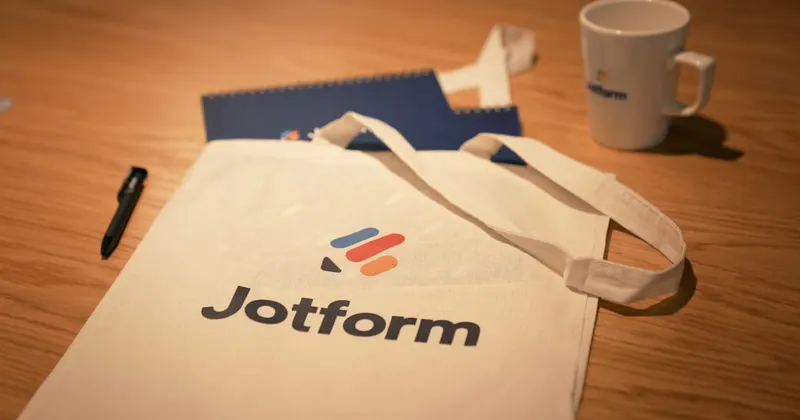
From Check-In Gift to Brand Ambassador: A Bags Promotion Case Study
When Saltwater & Sky Eco Tours — a mid-sized tourism operator running reef and rainforest day trips out of Cairns — decided to overhaul their guest experience in early 2023, their marketing manager had a modest budget and an ambitious goal. She wanted every guest who boarded their boats and buses to leave as a walking advertisement for the business. Not through a loyalty card or a discount voucher, but through something guests would actually use long after returning home to Melbourne, Adelaide, or overseas.
The solution her team landed on was deceptively simple: a thoughtfully designed bags promotion built around a premium reusable tote that guests would genuinely want to carry. What followed over the next 12 months delivered results that surprised even the most sceptical members of the leadership team.
By the end of 2023, Saltwater & Sky had distributed 1,800 branded bags across their tour packages. Their direct booking inquiries — tracked via a custom URL printed discreetly on the bag — increased by 34%. Social media tags featuring the bag appeared in content from guests across four countries. And their Net Promoter Score lifted from 61 to 78, partly attributed in post-tour surveys to the perceived quality of their welcome pack.
This is what a well-executed bags promotion actually looks like in practice.
Why Saltwater & Sky Chose Bags Over Every Other Option
The marketing manager had considered the usual alternatives — branded water bottles, lanyards, printed brochures, even custom hats. Each had drawbacks. Water bottles were expensive at scale. Lanyards ended up in hotel bins. Brochures were rarely kept past the airport.
Bags were different for three specific reasons:
Utility on the day itself. Guests arriving at 6:30am for a Great Barrier Reef day trip needed somewhere to carry sunscreen, a towel, a camera, snacks, and a phone charger. The branded tote solved an immediate, real problem. It wasn’t a gift that needed to be appreciated later — it was useful from the moment it was handed over.
Portability beyond the trip. Unlike a coffee mug that lives in a holiday rental kitchen, a bag travels. A guest from Brisbane carries it to the Cairns Esplanade, onto the plane home, to the farmers market the following weekend, and to the office the week after. Every one of those appearances is an impression — unpaid, organic, and trusted because it’s in the hands of a real person.
Visual real estate. A tote bag offers generous print area compared to most promotional products. Saltwater & Sky’s design team worked with their supplier to produce a large-format print across the front panel featuring a stylised reef illustration in aqua and coral tones, with the business name and booking URL integrated into the artwork rather than stamped on as an afterthought. It looked like something you’d buy from a boutique, not something you’d receive free with a tour.
The Product Decision: What Kind of Bag Actually Works?
Not all bags are created equal, and the Saltwater & Sky team spent considerable time sampling options before committing to an order. Here’s what their process revealed — and what any Australian business considering a bags promotion should think through carefully.
Weight and Fabric Quality Matter More Than You’d Expect
The team initially trialled a 100gsm non-woven polypropylene tote — inexpensive, cheerful, and perfectly functional. But in guest focus testing, participants described it as “the kind of bag you get at a trade show.” That association was damaging. The business wanted guests to feel valued, not like they’d picked something up at an expo.
They upgraded to a 180gsm natural cotton canvas tote with reinforced handles. The per-unit cost jumped from roughly $2.80 to $6.40 — but when divided across the total marketing value generated, it was negligible. More importantly, 91% of guests surveyed six months later still had the bag and were using it regularly. That retention rate is what converts a promotional item into a long-term brand asset.
Size Considerations for the Australian Market
The bag needed to be practical for travel. Guests flying from interstate or internationally needed something that fit in overhead luggage or a suitcase without bulk. The team settled on a 38cm x 42cm tote — large enough to be genuinely useful, compact enough to fold flat inside a carry-on bag. This detail alone significantly increased the likelihood of the bag making it home rather than being left behind in a Cairns hotel room.
The Branding Approach: Design First, Logo Second
One of the most important decisions the Saltwater & Sky team made was treating the bag as a design object rather than a logo-placement exercise. The oversized reef illustration was commissioned from a local Indigenous artist in partnership with a nearby community organisation, which added authenticity and cultural richness to the product. The business name appeared, but as part of the composition — not dominating it.
This approach had a measurable social media effect. Of the 340+ Instagram posts identified featuring the bag, the majority were styled flat-lays or lifestyle shots where the design was the focal point. Guests weren’t hiding the branding — they were showing it off. That’s the difference between a bag people are proud to carry and one they use only when nothing else is available.
Scaling the Bags Promotion: What the Numbers Looked Like
For any business weighing up a bags promotion, the financial picture matters. Here’s how Saltwater & Sky structured their investment:
- Initial order: 1,000 units at $6.40 per bag = $6,400
- Top-up order (mid-year): 800 units at $5.90 per bag (volume pricing) = $4,720
- Total bags investment for 2023: approximately $11,120
Against that investment, the team attributed the following outcomes through their tracking mechanisms:
- 34% increase in direct bookings via the URL printed on the bag, representing an estimated $47,000 in additional revenue after accounting for their typical conversion rate from inquiries to paid bookings
- Social media reach from guest-generated content estimated at 180,000+ organic impressions across Instagram and Facebook, with no additional paid media spend
- Repeat booking rate from guests who received the premium bag was 11% higher than from an earlier cohort who received only a printed brochure
The return on investment calculation isn’t perfectly clean — attribution in marketing never is — but the directional evidence was compelling enough that Saltwater & Sky doubled their bags promotion budget for 2024.
Lessons Any Australian Business Can Apply
The Saltwater & Sky story isn’t unique to tourism. The principles translate to virtually every sector where Australian businesses are trying to build brand presence beyond their immediate customer interaction. Here’s what their experience teaches us:
Invest in Quality at the Right Threshold
There’s a meaningful quality floor below which a bags promotion actually damages your brand. A flimsy bag communicates that you didn’t think much of the recipient. That perception transfers directly to how people feel about your business. The sweet spot for most small to medium Australian businesses sits somewhere between $4 and $10 per unit depending on order volume — enough to produce something that looks and feels premium without blowing a modest marketing budget.
Match the Bag to the Audience’s Lifestyle
Saltwater & Sky’s guests were active, environmentally conscious travellers who valued experiences over things. A cotton canvas tote aligned perfectly with that identity. A corporate professional onboarding at a Sydney CBD firm might respond better to a structured laptop tote or a sleek drawstring backpack. A student at a Gold Coast university might carry a lightweight nylon backpack for years. The bag should feel native to the recipient’s daily life, not alien to it.
Think About the Bag’s Journey After the Handover
One of the most underrated aspects of bags promotion is planning for secondary exposure. Where will this bag end up? Who else will see it? A tote used for weekend grocery shopping at a Woolworths in suburban Perth will be seen by dozens of people every single week. A branded backpack worn to and from a Brisbane university campus becomes a daily billboard in a high-density, high-awareness environment. Map out the realistic journey of your bag before you order, and let that inform your design, sizing, and handle-length decisions.
Don’t Neglect the Inside of the Bag
Saltwater & Sky tucked a small printed card inside each bag explaining the story behind the reef artwork and the community partnership. This transformed a practical item into a conversation piece. Several guests mentioned the card specifically in reviews and social posts. That inner touch costs almost nothing to produce but adds significant perceived value and gives recipients a reason to talk about your brand beyond just the bag itself.
The Broader Case for Bags Promotion in Australia
Australia’s culture — outdoor, active, sustainability-conscious, community-oriented — makes it one of the most receptive markets in the world for well-executed bags promotion. Reusable bags aren’t just practical here; they carry social meaning. In a post-single-use-plastic environment, a quality branded bag signals that your business takes its responsibilities seriously. That alignment between product and values is something no digital advertisement can easily replicate.
From the Blue Mountains to Bondi, from Darwin markets to Melbourne laneways, branded bags are moving through Australian public life every single day. The businesses whose logos are on those bags are receiving thousands of unpaid impressions from a one-time investment. The businesses that haven’t yet committed to a bags promotion strategy are leaving that exposure on the table.
Saltwater & Sky didn’t stumble onto something exotic or complicated. They identified a genuine customer need, matched it with a quality product, invested in thoughtful design, and tracked the results honestly. The $11,120 they spent on bags in 2023 was almost certainly their most efficient marketing expenditure of the year.
That’s the quiet power of a bags promotion done properly — and it’s available to any Australian business willing to think beyond the brochure.